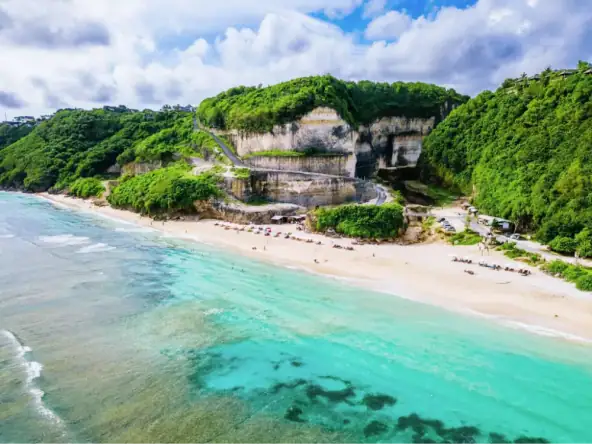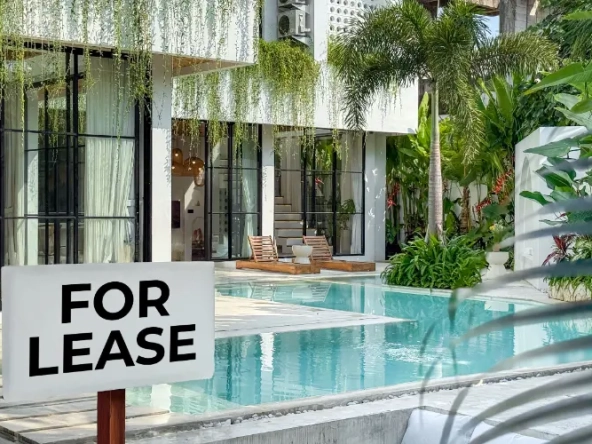

The idea of becoming Bali expats with spending your days waking up to the sound of waves and breathtaking sunsets has been circling for years. In accordance, Bali is the perfect place to live a life like this. The Island of the Gods offers more than just a vacation hotspot, it’s a dream destination for expats from all around the world.
People are continuously drawn to Bali’s rich spectrum of holiday activities. Nowadays, Bali is more than just a holiday destination, people started moving to Bali and established the “work from Bali” norm. Who wouldn’t want to live the perfect island life while still earning money?
Bali offers something for everyone, whether you’re a digital nomad, travelling with family, or a retiree. Let’s dive deep into these attractive options in Bali and how you can make it your new home!

We hope you enjoy this article.
Need more expert guidance and hundreds of top properties in Bali?
How Many Expats Living in Bali?
It is estimated from 30,000 to 50,000 expats living in Bali, and that number keeps growing every year. People from all corners of the globe — Australia, the United States, Europe, and other parts of Asia—are drawn to the island’s laid-back lifestyle and natural beauty. Some come for work, others to start a business, and many simply to enjoy a slower pace of life. The expat community in Bali is incredibly diverse, with young professionals, families, and retirees all finding their place in this tropical paradise. It’s like a melting pot of cultures, where everyone shares a love for Bali’s unique charm.
The sense of community is strong, and it’s easy to make friends from all over the world. Whether you’re sipping coffee at a trendy café in Canggu or attending a cultural event in Ubud, you’ll quickly feel like part of the Bali expat family.
Popular Expat Communities and Neighborhoods
Where Do Expats Live in Bali?
Expats in Bali tend to settle in areas that offer a mix of modern amenities and a relaxed vibe. Some neighbourhoods are more popular than others, depending on what you’re looking for. Here are a best place to live in Bali for expats:
Canggu: If you’re a fan of surfing, trendy cafes, and coworking spaces, Canggu is the place to be. It’s a hotspot for digital nomads and young professionals who want to be close to the beach while staying connected. The area is also known for its vibrant nightlife and health-conscious community, with plenty of vegan restaurants and yoga studios.
Seminyak: This upscale area is known for its luxury villas, high-end restaurants, and vibrant nightlife. It’s perfect for expats who enjoy a more cosmopolitan lifestyle. Seminyak is also home to some of Bali’s best shopping, with boutique stores and local markets offering everything from handmade jewellery to designer clothing.
Ubud: Nestled in the heart of Bali, Ubud is a haven for those seeking peace and tranquillity. Surrounded by rice fields and jungles, it’s a favourite among artists, yogis, and nature lovers. Ubud is also known for its spiritual vibe, with plenty of meditation retreats and traditional Balinese ceremonies to experience.
Sanur: This is the place if you’re looking for a more laid-back, family-friendly vibe, Sanur is a great choice. This charming coastal town offers a relaxed atmosphere, beautiful sunrises, and a long stretch of beach with calm waters—perfect for swimming and cycling along the beachfront promenade. Sanur has a strong expat community, great cafés, and a mix of modern comforts with traditional Balinese charm, making it ideal for those who prefer a quieter, more balanced lifestyle. Villas in Sanur are also convenient and practical options for those looking to rent their long-term accommodations.
Other popular areas include Sanur, which is great for families due to its calm beaches and international schools, and Nusa Dua, a luxurious enclave with resorts and golf courses.
See Also : Best Area To Invest In Bali
Best Place to Live in Bali for Expats
Choosing the right neighbourhood depends on your lifestyle and priorities. Here are some things to consider:
Accessibility: How close do you want to be to schools, hospitals, and shopping centres? Areas like Sanur and Nusa Dua are well-equipped with modern facilities, making them ideal for families.
Amenities: Are you looking for a bustling area with cafes and nightlife or a peaceful retreat? Canggu and Seminyak are perfect for those who love the social life, while Ubud offers a quieter, more spiritual environment.
Community: Do you prefer a family-friendly environment or a neighbourhood with a younger, more social vibe? For families, Sanur and Nusa Dua are great options, while young professionals might prefer the energy of Canggu or Seminyak. Retirees are often drawn toward the tranquillity of Ubud or Jimbaran.
Finding Jobs in Bali for Expats
While Bali is a dream destination, finding work as an Bali expats can be a bit tricky. Most foreigners work in industries like tourism, hospitality, real estate, or education. Many Bali expats also run their businesses, such as cafes, fitness studios, or online stores.
If you’re planning moving to Bali and work in Bali, it’s essential to secure a legal work permit. The Indonesian government has strict regulations, and working without the proper visa can lead to fines or even deportation. For those who prefer flexibility, remote work is a popular option. With Bali’s reliable internet and abundance of coworking spaces, it’s easy to stay connected while enjoying island life.
For example, many digital nomads work in fields like graphic design, content creation, or online marketing. Others teach English or work in the hospitality industry. If you’re considering starting your own business, Bali’s expat-friendly environment makes it relatively easy to set up a small café, boutique, or tour company.
Benefits and Challenges of Living in Bali as an Expat
Natural Beauty: Life in Bali can be pretty budget-friendly – especially when you consider how far your cash will go compared to most other Western countries. It’s entirely possible to rent a top-notch villa, have a great meal out every now and then, and still live pretty comfortably without breaking the bank. A meal at a local warung (that’s a small eatery for those who don’t know) is only a few dollars a go and renting a high-end villa is actually a lot cheaper than what you’d normally pay in big cities like New York or Sydney.
Welcoming Culture: Bali is just breathtaking – it has that totally untouched feel to it. From pristine beaches to dense jungle, the island is full of things to explore. There’s always another little corner to discover – whether that’s a quiet waterfall hidden away from the crowds or a peaceful temple. Places like the Tegallalang Rice Terraces and Uluwatu Temple are must-sees that draw people in.
Cost of Living for Bali Expats in 2026
Packing your bags and having a slow living in Bali is a dream, but let’s see the reality. How much does it actually cost?
Bali is no longer super cheap for backpackers like a decade ago. However, Bali still has incredible offers, you can budget it according to your lifestyle. Let’s take a look at a comprehensive breakdown.
Monthly Budget Tiers at a Glance
Your lifestyle will influence how much you spend while living in Bali. To add to this factor, the location you choose will also influence the budget. Places with surroundings dining habit and reliatively expensive price range will affect this too. Here is a quick look at average monthly budgets:
The Digital Nomad (Budget): $1,000 – $1,500 / month
Lifestyle: Shared villa or simple studio, eating mostly at local warungs, renting a scooter, utilizing a coworking space, and enjoying a basic social life.The Comfortable Expat (Mid-Range): $1,800 – $2,500 / month
Lifestyle: Private 1-2 bedroom villa with a pool, a mix of Western and local dining, gym/yoga memberships, comprehensive health insurance, and regular weekend outings.- The Luxury Lifestyle (Premium): $3,000 – $5,000+ / month
Lifestyle: High-end 3+ bedroom designer villa, frequent fine dining and beach clubs, private car with a driver, premium wellness treatments, and imported groceries. - The Expat Family (2 Adults, 1-2 Kids): $4,000 – $6,500+ / month
Lifestyle: Large family villa, international school tuition, family healthcare plans, car rental, and family entertainment.
1. Accommodation Costs (Rent)
Housing will be your most significant expense. Prices have stabilized in 2026 after a post-pandemic surge, but high-demand areas still command a premium. Most expats rent monthly or yearly.
Average Monthly Rent (Long-Term Lease):
Guesthouse Room/Studio: $250 – $500
1 to 2-Bedroom Private Villa: $800 – $1,800
3+ Bedroom Luxury Villa: $2,000 – $4,000+
Rental Prices by Neighborhood (Mid-Range Villa):
Canggu / Pererenan: $1,500 – $3,000 (Highest demand, most expensive)
Uluwatu / The Bukit: $1,200 – $2,500 (High growth, luxury leaning)
Sanur: $800 – $1,400 (Quieter, great for families)
Ubud: $700 – $1,200 (More affordable, nature-focused)
Seseh / Kedungu: $800 – $1,200 (Up-and-coming, budget-friendly)
Pro Tip: Moving just 15-20 minutes outside of prime hotspots like central Canggu or Seminyak can save you 20% to 40% on rent!
2. Food and Dining
Food in Bali can be incredibly cheap or matched to Western prices, depending on your palate.
Local Warung Meal: $2 – $5 (Nasi Campur, Mie Goreng, etc.)
Western Café Meal: $10 – $18 (Avocado toast, smoothie bowls, burgers)
Fine Dining / Steakhouse: $30 – $60+ per person
Local Beer (Bintang): $1.50 – $3
Craft Cocktail: $10 – $18
Monthly Groceries (Local Produce): $100 – $200
Monthly Groceries (Imported/Western Goods): $250 – $400+
If you eat local food twice a day and cook occasionally, your food budget can be as low as $250/month. If you prefer eating at trendy cafes in Canggu daily, expect to spend closer to $500–$800/month.
3. Transportation
Getting around Bali is affordable, but traffic in the south (Canggu, Seminyak) makes scooters the most practical choice.
Scooter Rental (Monthly): $40 – $80 (Standard Honda Vario/Scoopy)
Premium Scooter (Monthly): $100 – $150 (Yamaha NMAX/XMAX)
Petrol/Gasoline: ~$0.60 per liter ($10-$20 a month)
Ride-Hailing (Grab/Gojek): $1 – $4 for short trips around town
Car Rental (Monthly): $300 – $600
Private Driver (Per Day): $35 – $55
4. Utilities, Internet, and Phone
Utilities are generally cheap, though electricity can spike depending on your air-conditioning usage. Power in Bali is usually prepaid via a token system.
Electricity: $50 – $150/month (Heavily dependent on AC and pool pump usage)
High-Speed Fiber Internet (Home): $25 – $50/month
Mobile Data (Local SIM): $8 – $15 for 20-30GB
Water (Municipal): $5 – $15/month
Drinking Water (19L Gallon Delivery): $1.50 – $2.50 each
Cleaning Service (Part-time): $80 – $150/month
5. Health, Wellness, and Lifestyle
Bali is a global hub for wellness, fitness, and socializing. It is highly recommended that expats hold international health insurance.
Health & Insurance:
Doctor Consultation (Private Clinic): $20 – $40
Basic Nomad Health Insurance: $60 – $150/month
Comprehensive International Insurance: $200 – $400/month
Fitness & Coworking:
Local Gym Membership: $40 – $80/month
Premium Gym/Recovery Center: $100 – $200/month
Yoga Studio (Unlimited): $80 – $150/month
Coworking Space (Unlimited): $150 – $250/month
6. Visa Costs
Don’t forget to factor in the cost of legally staying in Indonesia! Visa costs are generally averaged out over the year.
B211A Tourist/Social Visa: ~$200 – $300 (Valid 60 days, extendable up to 180 days)
Remote Worker Visa (E33G): ~$300 – $500 (Valid up to 1 year)
Working/Investor KITAS: $800 – $1,500/year
Golden Visa: Requires proof of substantial savings/investment (e.g., $130,000+ for the Second Home Visa)
Is Bali Still Affordable in 2026?
Yes. Bali is still significantly cheaper than living in the US, Europe, or Australia. If you choose your neighborhood wisely and utilize all local resources while living in Bali, you can definitely afford a much better and affordable life in Bali in 2026.
Challenges & Problems With Living in Bali
Visa Requirements: In terms of Visa requirements, there can be a lot to handle. There are a lot of things need to be prepared before. Always make sure you do your research on the importan documents require. Most Bali expats start with a tourist visa and then change into a social or work visa once they settled in.
See Also : Unlock Indonesia Golden Visa
Cultural Differences: To adapt in a completely different environment, learning the way local live is essential. Learning basic Bahasa Indonesia is a good starting point. This will help you integrate smoothly with the local culture and regulations. Take visiting temples for example, always dress modestly and always use your right hand when receiving items.
Infrastructure: While Bali is modern in many ways, you may encounter occasional power outages or slow internet in some areas. It’s a good idea to have a backup plan, such as a portable Wi-Fi device or a generator, just in case.
Living in Bali as an Australian
Bali is actually a very familiar place for Australians. Lots of Aussies go to Bali for holidays, perhaps because it’s typically closer than to any other tropical countries (and it’s amazing!). So, you might find your folks here. On top of it, there are lots of Australian-owned businesses in Bali like villas, restaurants, and sport centres. It’s like a home away from home.
However, you need to keep in mind that Bali is a small island. Unlike Sydney and Melbourne, life in Bali tends to move slower. People spend their morning surfing, sun-bathing, and enjoying their morning coffee. It’s a bit more relaxed and more affordable than it is back home. You can get a nice villa for the price even less than a small apartment in Australia.
Key Tips for Expats Considering Bali
So, thinking about moving to Bali? Now, here are some top-notch tips to get you started
Use local visa agents to help you with your visa application. This is because type of visas can be pretty confusing. Business visas, social visas, tourist visas. Lots of people are using local visa agents and it is easier and less time consuming. This translates to an enjoyable stay.
Most expats choose to rent. You can find villas, apartments, or even shared homes. Renting is simple, but often paid upfront, like 6 months or even a year at a time! Buying property is a lot more complicated because foreigners can’t own land directly. If you’re thinking about buying, always get legal advice.
Balinese culture is full of kindness and tradition. You’ll see ceremonies in the streets, offerings outside shops, and temples everywhere. It’s different—but beautiful! Learning a few words in Bahasa Indonesia and understanding local customs shows respect. Locals notice and appreciate that.
Got kids? Look into schools early. Bali has some good international ones in places like Canggu, Ubud, and Sanur. But spots fill up fast. For health, there are private clinics with English-speaking staff. They’re great for small stuff, but for big problems, some people fly to Singapore or Australia. So don’t forget health insurance!
Conclusion
Bali is more than just a vacation destination—it’s a place where Bali expats can build a fulfilling life surrounded by natural beauty and a welcoming community. Whether you’re drawn to the surf culture of Canggu, the spiritual vibe of Ubud, or the luxury of Seminyak, there’s a neighbourhood that’s perfect for you.
While living in Bali comes with its challenges, the benefits far outweigh them for most Bali expats. With its affordable lifestyle, stunning scenery, and vibrant culture, it’s no wonder so many people choose to call Bali home. If you’re dreaming of a life in paradise, Bali might just be the place for you!
Need More Expert Guidance in Buying Property in Bali?

As a leading authority in the real estate industry, Balitecture provides complete assistance throughout the process. A team of experts specializing in A-Z property services is committed to helping you every step of the way.
Set a free consultation with us!
We also have you covered with extensive property listings. This includes Bali land for sale, villas for sale, villas for rent, and other properties available for lease and sale. Plus, villa management can help you make the most of generating income from your property.
Discover Bali villas for lease and sale here.
Discover Bali lands for lease and sale here.
Find the best features and benefits of villa management here.